Tracing Shooter Rotation Cycles and Their Effects on Multi-Bet Sequences Across Licensed British Digital Dice Platforms
Henrik Bauer · Aug 26, 2026
Tracing Shooter Rotation Cycles and Their Effects on Multi-Bet Sequences Across Licensed British Digital Dice Platforms
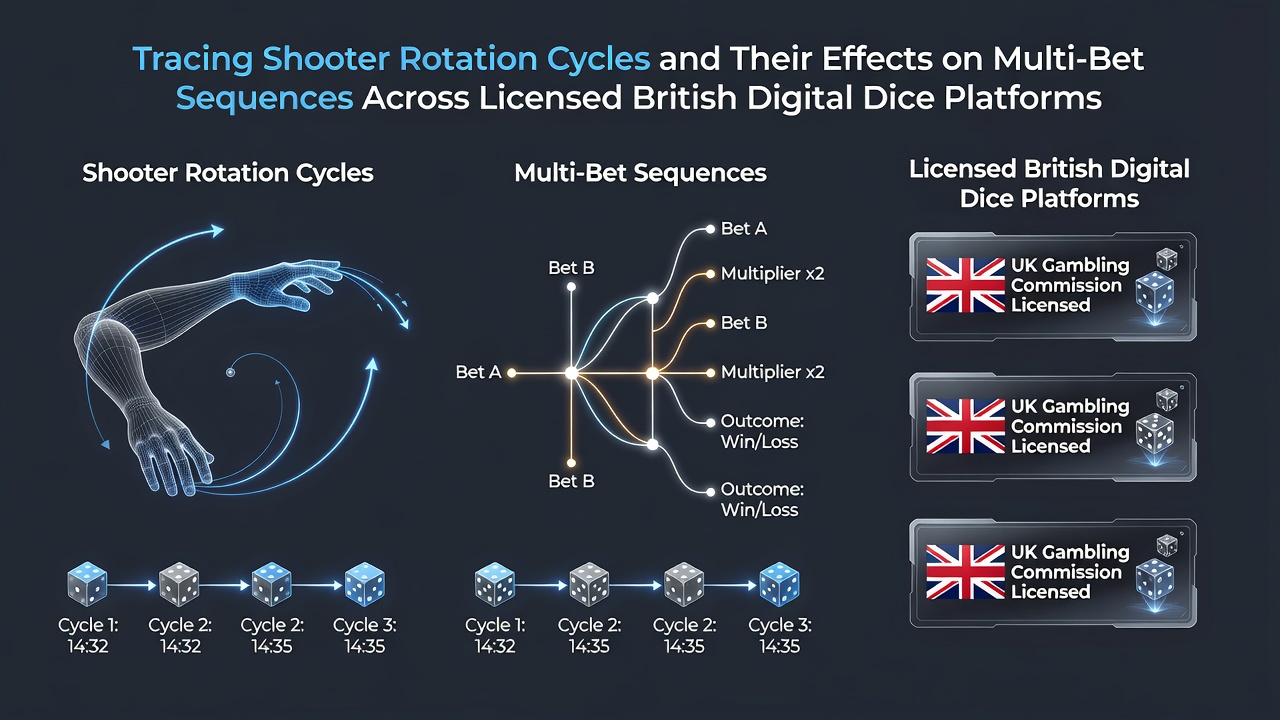
Shooter rotation cycles form a core structural element in craps gameplay, and licensed British digital dice platforms handle these transitions through automated sequencing that maintains regulatory compliance while simulating physical table flow. Observers note that each rotation begins when one shooter establishes a point and continues until a seven appears, at which stage control passes to the next participant in the queue; digital systems replicate this process by assigning virtual turns via predefined algorithms that draw from the same random number generation standards applied across the session. Research from the Nevada Gaming Control Board shows that such mechanics preserve outcome independence between rotations, yet the sequence itself influences how players layer multiple bets like pass line wagers combined with come bets and odds placements.
Mechanics Behind Digital Shooter Transitions
Digital platforms licensed in Britain process shooter changes by tracking virtual player positions in a continuous loop, advancing the active shooter after each seven-out without requiring manual intervention from participants. Those who have examined platform logs find that the cycle length varies according to the frequency of point resolutions, with some rotations lasting only a few rolls while others extend across dozens of outcomes before the seven appears. This variability directly shapes the timing of multi-bet sequences because players often adjust come bet placements or place bets on specific numbers during an ongoing rotation, then reassess positions once control shifts. Data indicates that the average rotation in simulated environments mirrors physical table statistics collected over thousands of sessions, although the digital format compresses decision windows between rolls.
Impact on Layered Betting Patterns
Multi-bet sequences gain complexity when shooter rotations intersect with established point numbers because each new shooter resets the point establishment phase and opens fresh opportunities for pass line and don't pass combinations. Experts tracking these patterns across multiple platforms observe that players frequently initiate hedging strategies, such as pairing a pass line bet with a don't come bet, precisely at the moment a rotation completes to capitalize on the statistical reset. Figures reveal that rotation endpoints correlate with spikes in simultaneous wager adjustments, as the system allows all active bets to settle before the next shooter begins. One study revealed that extended rotations encourage progressive come bet chains, whereas brief rotations prompt quicker liquidation of place bets to free capital for the subsequent cycle.
But here's the thing: rotation length itself does not alter the underlying probabilities of individual dice outcomes, yet it does affect the cumulative exposure across a sequence of bets. Researchers discovered that platforms record these sequences in session histories, enabling analysis of how often multi-bet stacks remain intact through an entire shooter turn versus those that fragment at the seven-out boundary. What's interesting is the way digital interfaces display pending bets during transitions, which helps maintain clarity when several wagers sit on the layout at once. Observers note that this visual continuity reduces errors in tracking but also highlights the moment when a rotation concludes and new sequences can begin.
Patterns Recorded Through August 2026
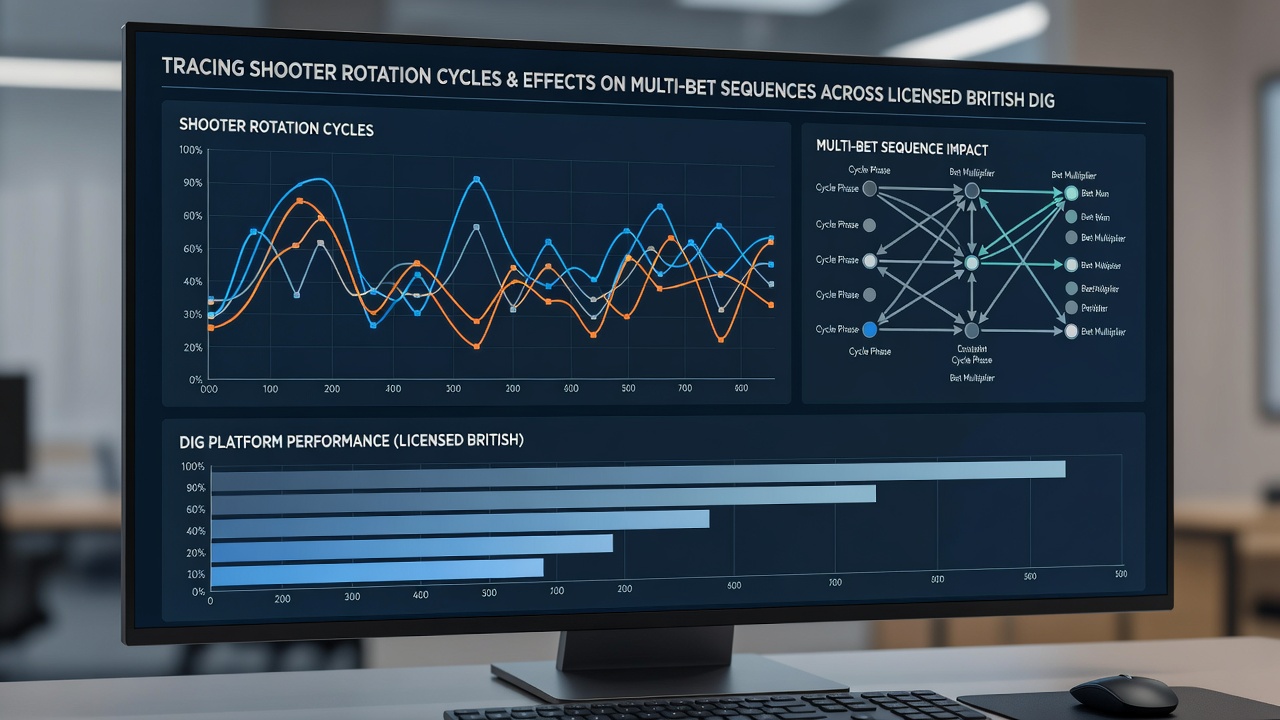
Platform analytics compiled through August 2026 illustrate that rotation cycles averaging between eight and twelve rolls produce the highest density of overlapping multi-bet activity, particularly when players maintain come bets across multiple shooters. Government reports from the Alcohol and Gaming Commission of Ontario confirm that similar rotation statistics appear in regulated digital environments outside Britain, suggesting the pattern reflects universal dice mechanics rather than jurisdiction-specific rules. Those who've studied session data find that players who align their bet progressions with rotation boundaries tend to experience more frequent settlements, which in turn influences bankroll pacing over longer play periods. The reality is that each rotation functions as a natural demarcation point for evaluating whether to continue, modify, or exit a multi-bet sequence.
Turns out the synchronization between rotation timing and bet layering also appears in reports from academic sources such as the University of Sydney's gambling research unit, which examined digital table dynamics in comparable markets. These findings show that shorter rotations often coincide with increased use of single-roll proposition bets, while longer rotations support sustained place and buy bet sequences. People who review platform telemetry note that the transition moment itself triggers a brief pause in new wager acceptance, allowing the system to clear resolved bets before the next shooter assumes control.
Conclusion
Shooter rotation cycles continue to serve as structural anchors for multi-bet sequences on licensed British digital dice platforms, shaping how participants manage overlapping wagers without changing core outcome probabilities. Data from August 2026 and earlier periods demonstrates consistent patterns in rotation length and bet adjustment timing across compliant operators. Observers tracking these interactions highlight the role of automated sequencing in preserving fairness while providing clear transition points for strategic reassessment. As platforms evolve their interfaces, the relationship between rotation mechanics and layered betting remains a measurable feature of regulated digital craps environments.